Seasonal maintenance postcards land right before peak demand. Then PostKnock tells your team exactly who to call and what to say—so you book jobs before the rush.
Start Free — No Credit CardHVAC is moment-of-need. Your past customers won't think about maintenance until something breaks. A well-timed postcard + call right before the season hits converts because you're solving a problem they haven't thought about yet.
Three campaign types. All pre-configured with timing, scripts, and postcard copy direction.
Seasonal urgency. Tune-up special + priority scheduling offer. Deploy late Feb/Mar for AC; late Sep/Oct for heating.
"We're booking up fast, want to lock in your spot?" Second postcard only if no contact.
Equipment age + failure risk framing. "Your system was serviced in 2022—units over 3 years without maintenance have significantly higher failure rates." Priority scheduling offer.
"We noticed it's been a while since we serviced your unit. Want to get ahead of any issues before the season hits?" Pre-loaded script with equipment history notes.
Different design with cost-of-breakdown framing. "Emergency repairs average $1,200—a tune-up is $89." Final call attempt for non-responders.
"Last chance before peak season" urgency. Limited-time discount. Non-responders rest 90 days, then recycle next season.
HVAC is moment-of-need—timing beats volume. Lists recycle spring + fall.
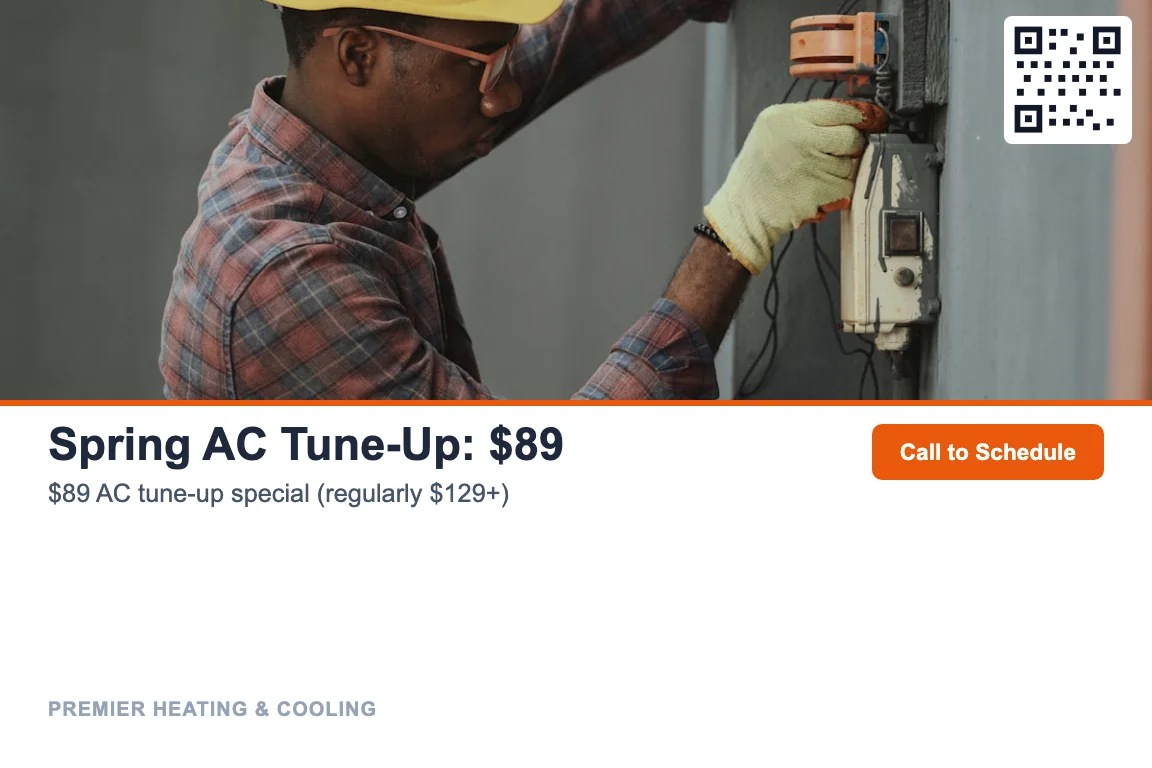
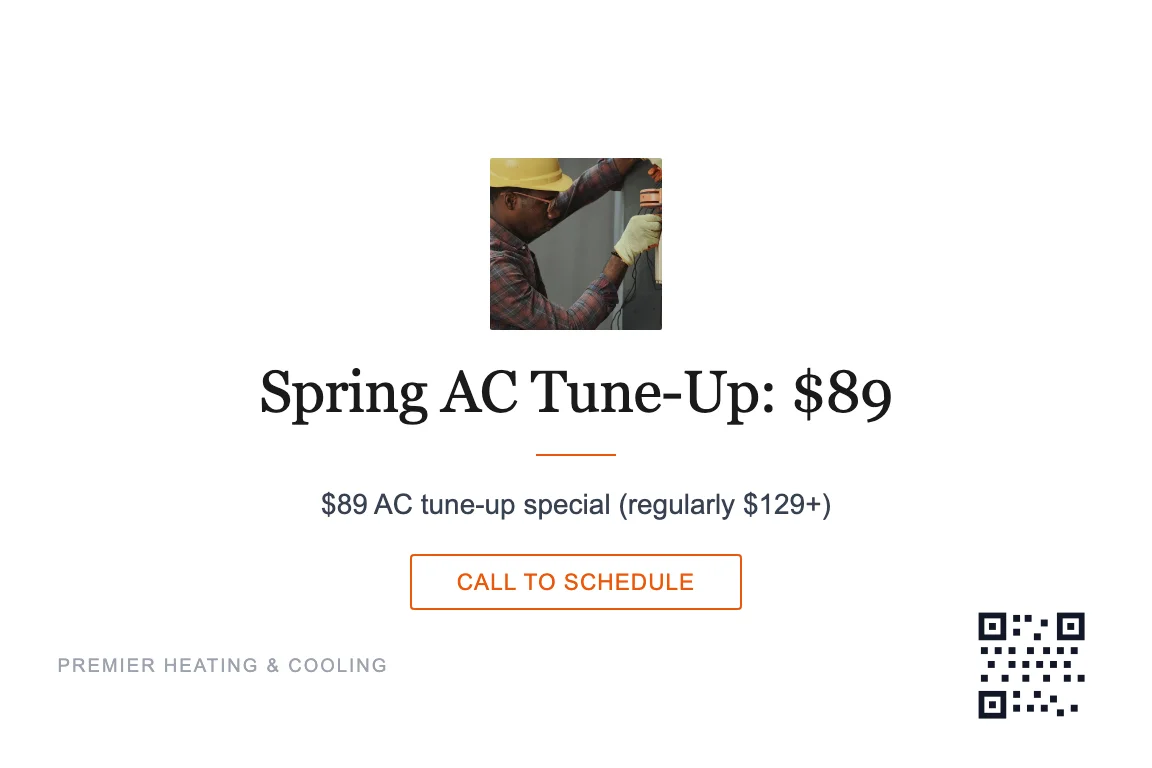
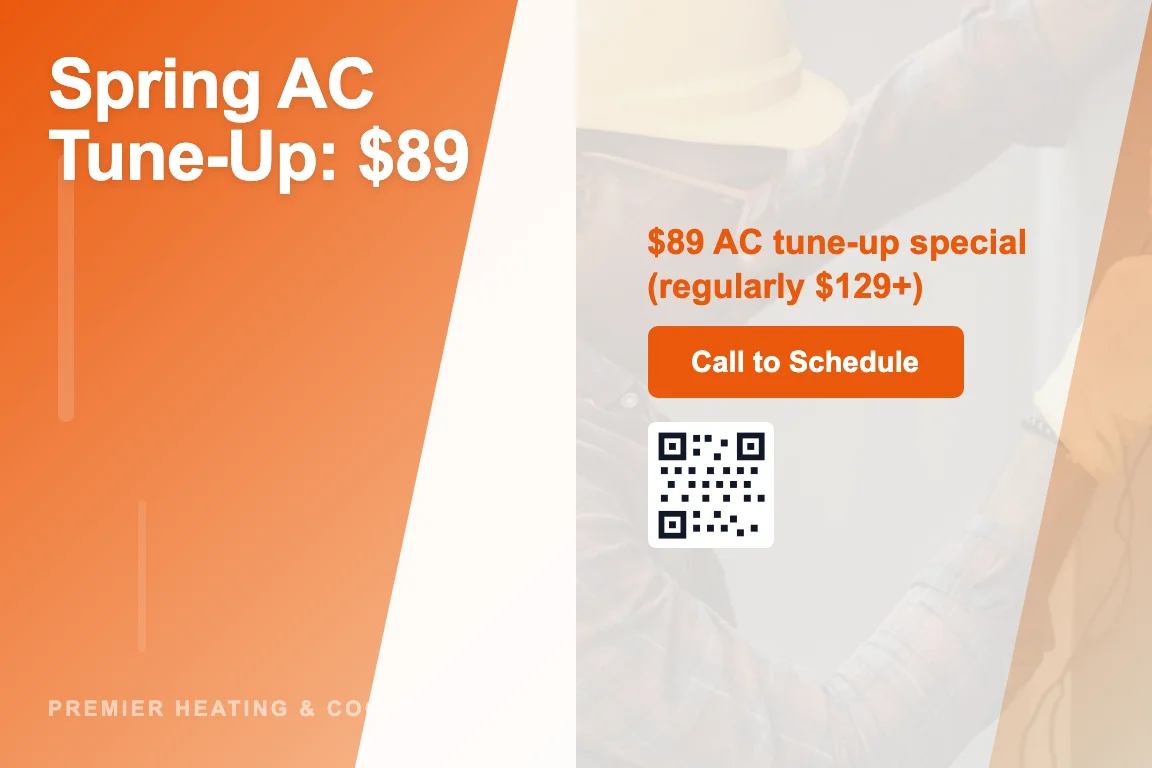
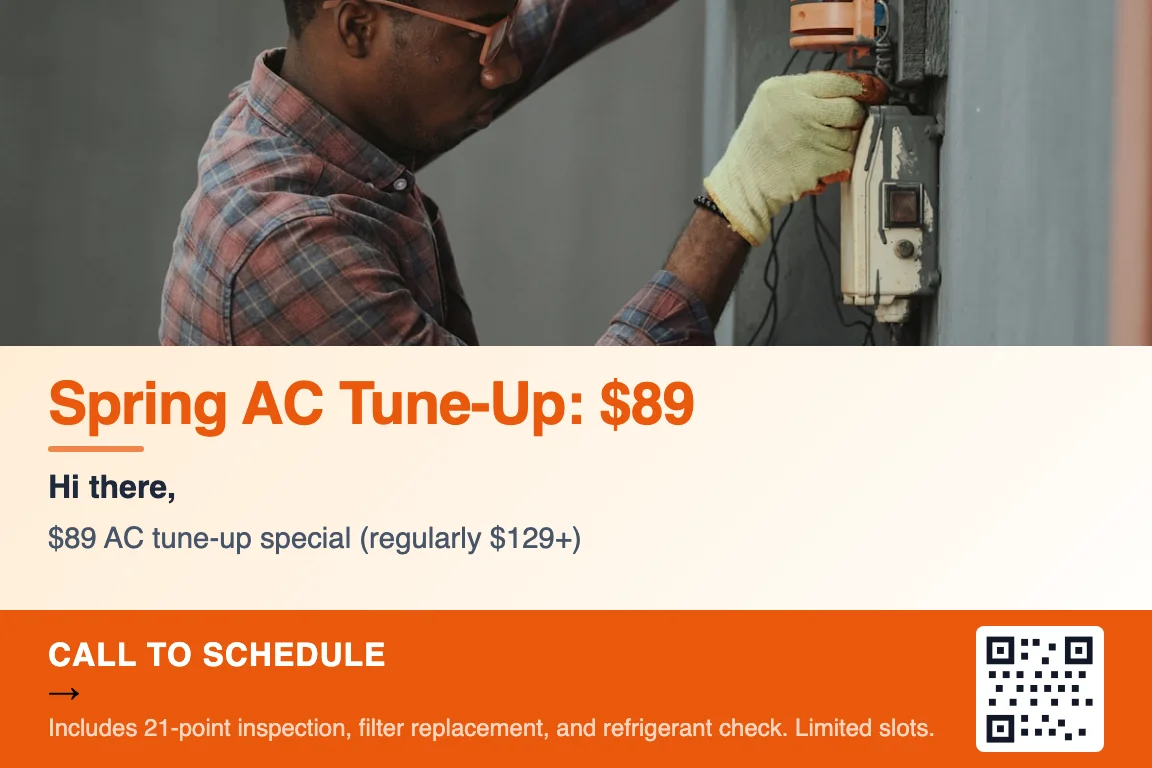
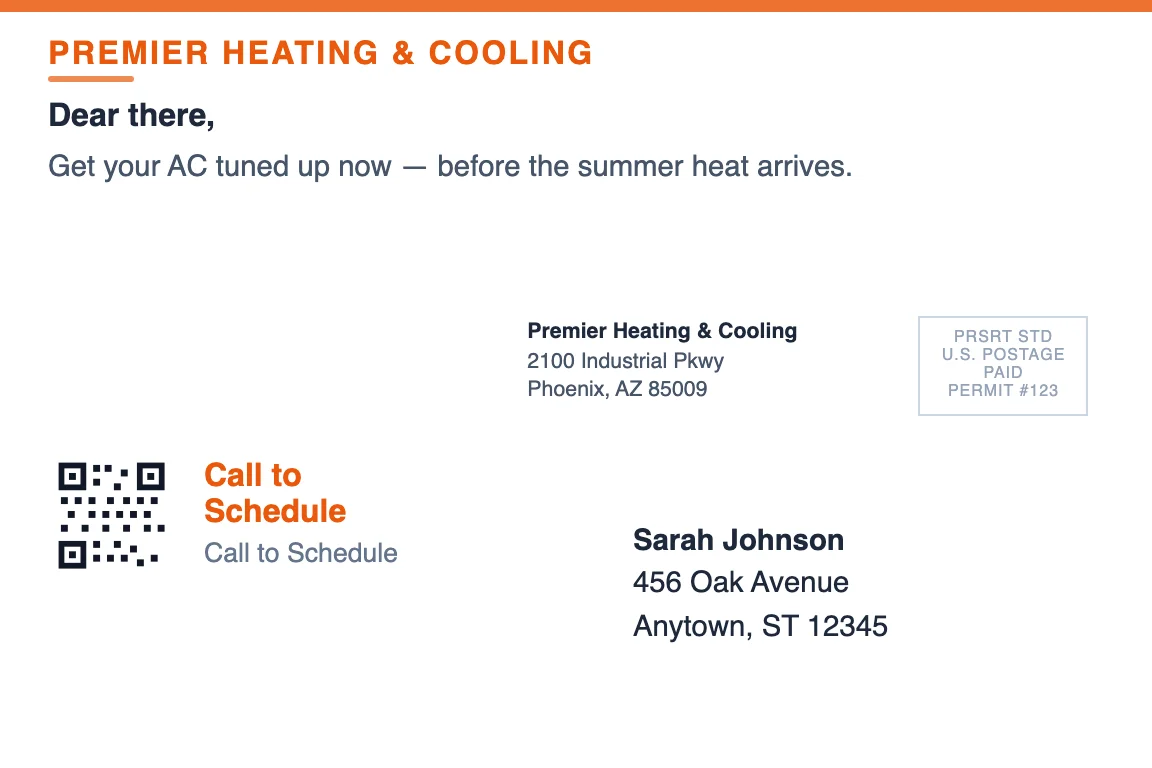
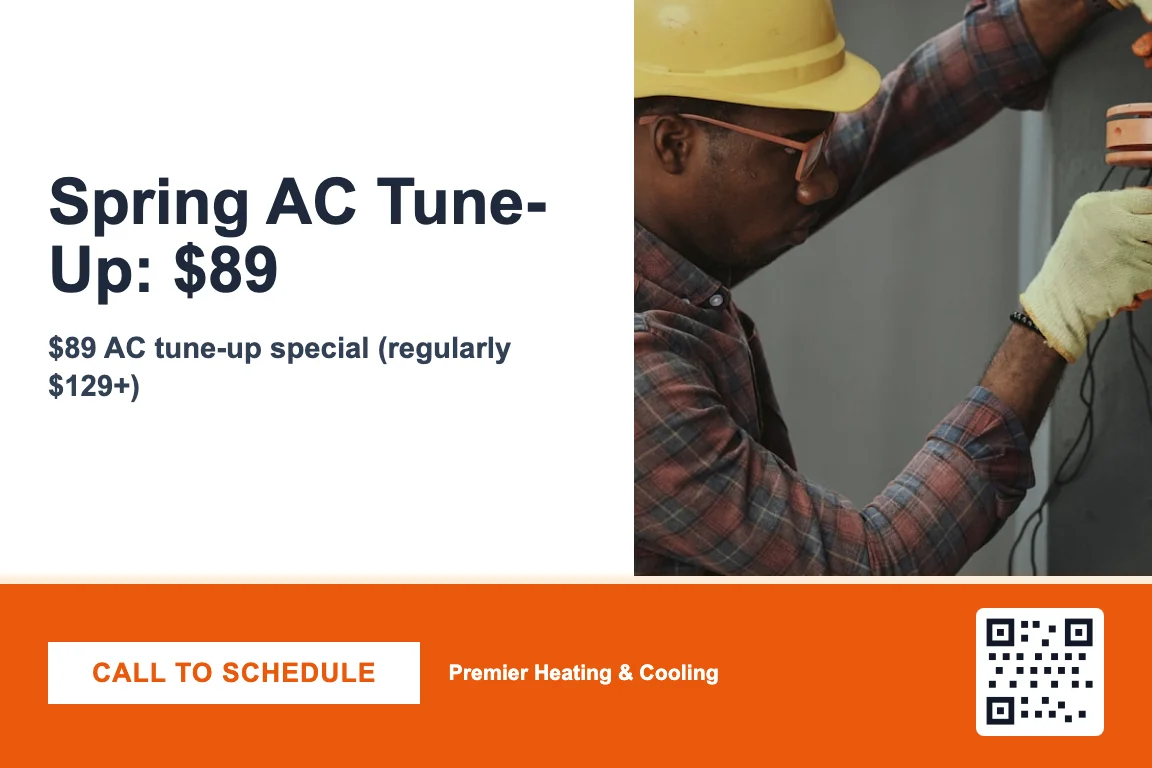
Four design styles, all themed for your HVAC business and ready to customize. Same offer, same call follow-up — just pick the look that fits your brand.
Bold
Photo
Minimal
Gradient
Front Detail
Back (Address Side)
For HVAC contractors, direct mail to past customers consistently beats Google Ads on cost-per-job, conversion rate, and average ticket size.
Postcards capture demand before the emergency. By the time a homeowner is searching "AC not working" on Google, they're already calling three contractors at once and choosing on price. A spring tune-up postcard arriving in March puts you in their kitchen weeks before the first 95° day—when they're not stressed, not comparing five quotes, and not negotiating. A planned maintenance call at $129 is more profitable than an emergency dispatch at $79 with discounting pressure.
Google Ads is a bidding war on emergency keywords. "Emergency AC repair" CPCs run $25–$50 per click in most US markets, and only 3–5% of clicks become booked jobs. That means $500–$1,500 ad spend per booked emergency call—before you've dispatched a tech. Compare that to a 3-wave postcard sequence to past customers at roughly $2.40 per recipient (3 cards × $0.79). At a 3% reactivation rate, you're acquiring a job for around $80—a fraction of the cost.
Past-customer mailings convert 2× higher than cold digital. Industry data shows 2–5% response rates on house lists (existing customer reactivation) versus 1–3% on cold digital prospecting. The reason: trust. A homeowner who used you two years ago for a furnace install already knows your trucks, your techs, and your invoices. A reminder postcard isn't an ad—it's a follow-up from a contractor they already chose once.
Average ticket size is bigger from past customers. Reactivated customers book maintenance plans, system replacements, and add-ons (whole-home humidifiers, smart thermostats) at higher rates than first-time Google Ads leads. A house-list customer who returns for a $129 spring tune-up has a 25–30% chance of upgrading to a $299/year maintenance agreement—something a price-shopping cold lead almost never does on the first visit. Want a deeper breakdown? See our HVAC postcard ideas guide and the postcard marketing ROI breakdown.
The CSV export from your field service management software (ServiceTitan, Housecall Pro, FieldEdge, Jobber) already contains everything you need to send the right offer to the right segment.
8+ year-old systems — replacement candidates. Once a residential AC or furnace passes the 8-year mark, you're racing the calendar. SEER ratings have improved, refrigerant transitions (R-22 phaseout, R-410A to R-454B) make repairs more expensive, and homeowners are more receptive to "let's talk replacement" conversations. A targeted postcard with a $1,500 trade-in offer and a financing CTA converts 3–5× better when sent to this segment than a generic seasonal blast. Filter your FSM export by install date older than 8 years and load that segment as a separate PostKnock contact list.
4–6 year-old systems — maintenance plan upsell. Mid-life systems are the sweet spot for annual maintenance plan signups. The equipment is past warranty but not yet failing—exactly when homeowners are most receptive to "protect what you have" messaging. A spring postcard with a 12-month maintenance plan offer ($299/year, two visits) lands well here. These customers haven't been forced to think about replacement yet, so the value prop is pure: peace of mind, priority dispatch, and discounted repairs.
Recent installs (1-year free check). Customers who installed a new system in the last 12 months get a "complimentary first-year inspection" postcard. This isn't a sales pitch—it's a relationship maintenance touchpoint that prevents warranty surprises and creates an opportunity to enroll them in a maintenance plan before the first paid service call. It also generates Google reviews and word-of-mouth referrals at the moment customers are happiest with you.
Long-lapsed customers (3+ years no contact). Customers who haven't called in 3+ years are functionally lost—they've likely tried a competitor or moved. A win-back postcard with a high-value, low-friction offer ($79 tune-up, no commitment) is your last shot. A 3-wave sequence over 8 weeks typically reactivates 2–4% of these contacts, which is enough to justify the spend on lists of 500+. For step-by-step setup, see our spring maintenance playbook and the CSV import guide for mapping your FSM export columns.
Direct mail is timing-sensitive. Mail too early and the offer is forgotten by the time demand peaks; mail too late and you're competing against your own emergency dispatches. Here's the calendar most successful HVAC contractors run on.
| Window | Demand State | Recommended Campaign |
|---|---|---|
| Jan–Feb | Planning quiet, post-holiday | Mid-winter system check reminders. Soft offers, brand-presence postcards. Don't push hard—homeowners are recovering from holiday spend. |
| Late Feb–Mar | SPRING TUNE-UP WINDOW | Highest-ROI mailing of the year. Drop Wave 1 in late February so cards arrive 2–3 weeks before the first 80° day. Spring tune-up offer ($89–$129) on a 3-wave sequence. See our spring maintenance playbook. |
| Apr–May | Peak demand begins | Post-rush follow-up to Wave 1 non-responders + maintenance plan signup pitch. Convert tune-up customers into annual plan members while service is fresh in their mind. |
| Jun–Aug | Emergency-driven | Mail less, dispatch more. Your team is at capacity; new postcards just create more calls you can't service. Limit to a single referral-program postcard if anything at all. |
| Late Sep–Nov | FALL FURNACE WINDOW | Second-largest mailing of the year. Drop Wave 1 in late September so cards land before the first cold snap. Furnace tune-up offer + safety inspection messaging. See our fall furnace playbook. |
| Dec | Holiday slowdown | Skip new prospecting. Optional: a thank-you postcard to top customers acknowledging their service over the year. Builds loyalty without selling. |
Two campaign windows per year (spring + fall) typically deliver 80%+ of all postcard-attributed revenue. Mail with the season—not against it.
Mail in-house list, not bought lists. A postcard to your existing customer database (people who already paid you once) outperforms a rented prospect list 4–6× on response rate. Bought lists from data brokers cost $0.10–$0.30 per record and convert at 0.5–1%; your house list is free and converts at 2–5%. Spend the savings on better creative, not bigger volume. PostKnock won't send to scraped lists or addresses you don't have permission to mail.
Layer in calls 3–5 days after delivery. Every wave in the calendar above gets a 30–50% lift when you add a phone follow-up to non-responders 3–5 business days after the postcard hits mailboxes. The script is the same line every time: "Hi, this is [Name] calling from [Company]—we just sent you a card about a spring tune-up special and I wanted to make sure it didn't get lost in the mail." Warm, helpful, no pressure. PostKnock generates the call queue automatically the right number of days after each delivery confirmation, so your CSR team works the queue from a screen instead of a clipboard.
Skip the off-peak months on purpose. The biggest mistake new HVAC mailers make is trying to "stay top of mind" by sending a postcard every month. Mail in February to a homeowner who just got a heating bill, and they tune it out. Mail in July when their AC is running fine, and the offer feels irrelevant. Two well-timed campaigns per year (spring + fall) plus one optional referral or thank-you touch beats twelve mediocre monthly drops. Restraint is a feature.
Choose "Spring Maintenance," "Fall Maintenance," or "Win-Back Campaign." Timing, scripts, and postcard direction are pre-configured.
Export past service customers from your CRM as CSV. Include last service date and equipment type for targeted messaging.
Postcards mail via USPS. Your call queue populates a few days after delivery. Time it right and customers book before the rush.
Pre-loaded scripts. Log outcomes. Warm leads get priority. The sequence runs itself, Mon–Sat.
An HVAC contractor with a 2,000-household service area sends seasonal tune-up postcards:
That's $13,500 in revenue on a $1,580 spend — an 8.5:1 return.
Free to explore — you only pay when you're ready to send. 30-day money-back guarantee.
Single-wave postcard campaigns · Unlimited contacts · From $1.05/piece
Everything in Free + calls, sequencing · From $0.79/piece
Per-piece pricing includes printing + USPS First-Class postage. No hidden fees.
Stop sending postcards and hoping. Start sending postcards and calling.
Start Free — No Credit CardContact Sales
Tell us about your needs and we'll put together a custom plan.
Yes. Direct mail gets 5–9× higher response rates than email, and HVAC postcards sent to existing customer lists typically see a 2–5% response rate. When you add a phone follow-up a few days after delivery, conversion rates climb further because the prospect already knows who you are.
Time your maintenance reminder postcards to land before peak demand. For AC tune-ups, send in spring (March–April). For fall tune-up postcards, send in September–October before heating season. This catches customers before they start searching for help—so you book jobs before the rush.
PostKnock postcards start at $1.05 per card on the Free plan and $0.79 per card on Pro ($99/mo). That includes printing and USPS First-Class postage. No minimums, no contracts, no hidden fees.
The best-performing HVAC postcards include a tune-up special with a clear dollar amount, seasonal urgency ("before the heat hits" or "prepare your furnace for winter"), your phone number in large type, and a QR code linking to an online booking page. Keep the message short—one offer, one call to action.
Create two separate campaigns in PostKnock: one for spring AC tune-ups (launch in late February–March) and one for fall furnace checks (launch in late September–October). Use the same customer list for both. PostKnock tracks who responded to each campaign so you don't over-contact customers who already booked.
They serve different purposes. Google Ads captures people actively searching ("AC repair near me"), while postcards generate demand before the emergency — filling your schedule with planned tune-ups instead of competing for emergency calls. Postcards to your existing customer list typically convert at 2–5% vs. 1–3% for cold digital leads, and the average ticket is higher because they trust you already. Smart HVAC businesses use both.
Under 30 minutes from signup to first card mailed. Critical for time-sensitive seasonal campaigns where you only have a 2–3 week window to land in mailboxes before customers start calling competitors. Upload your customer CSV, pick the seasonal playbook, customize the offer, and click Launch.
Yes. Pro is $99/mo (or $799/yr — save $389). Cancel anytime from Settings → Billing. After cancellation you keep Pro features until your billing period ends, then revert to the Free plan automatically. No contracts, no cancellation fees, no exit calls. Annual plans include a 30-day money-back guarantee.
Any field service management system with CSV export (ServiceTitan, Housecall Pro, Jobber, FieldEdge, etc.) works with PostKnock. Direct API integrations are not yet available — export your past customer list, upload to PostKnock, and the import wizard auto-maps the columns.
PostKnock also works for
Specific HVAC campaigns
1 Invoca, Call Conversion Benchmarks Report: Home Services, 2025. Based on 60+ million analyzed phone calls.
2 ANA (Association of National Advertisers), Response Rate Report 2023, published February 2024.